Insights from Practice
Short reflective essays by our team, emerging from our work in classrooms, anganwadis and public systems.
Our work in classrooms, anganwadis and public systems constantly raises questions about learning, leadership and the environments in which children grow. From time to time members of our team write short reflective pieces emerging from these experiences. These essays attempt to think carefully about what we observe in practice — about children, communities and the institutions that shape their learning.
Leadership and Systems
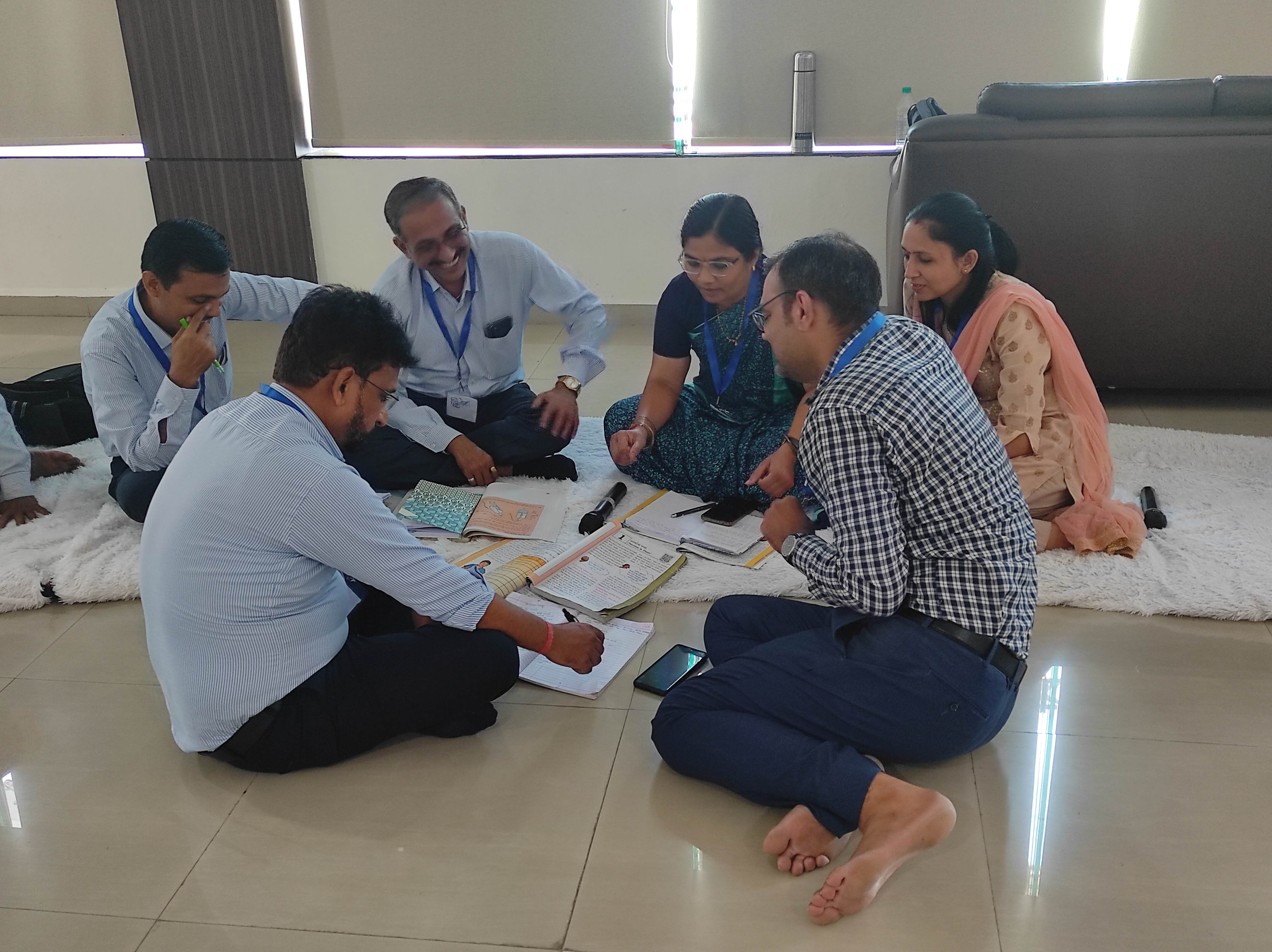
On Measurement in Education
Measurement is vital for improving education—but only when it follows thoughtful action. Without clear design, capacity-building and feedback loops, data becomes irrelevant or feared. Used well, however, it helps systems learn, identify gaps and refine practice—while reminding us that some of the mo…
Read Essay →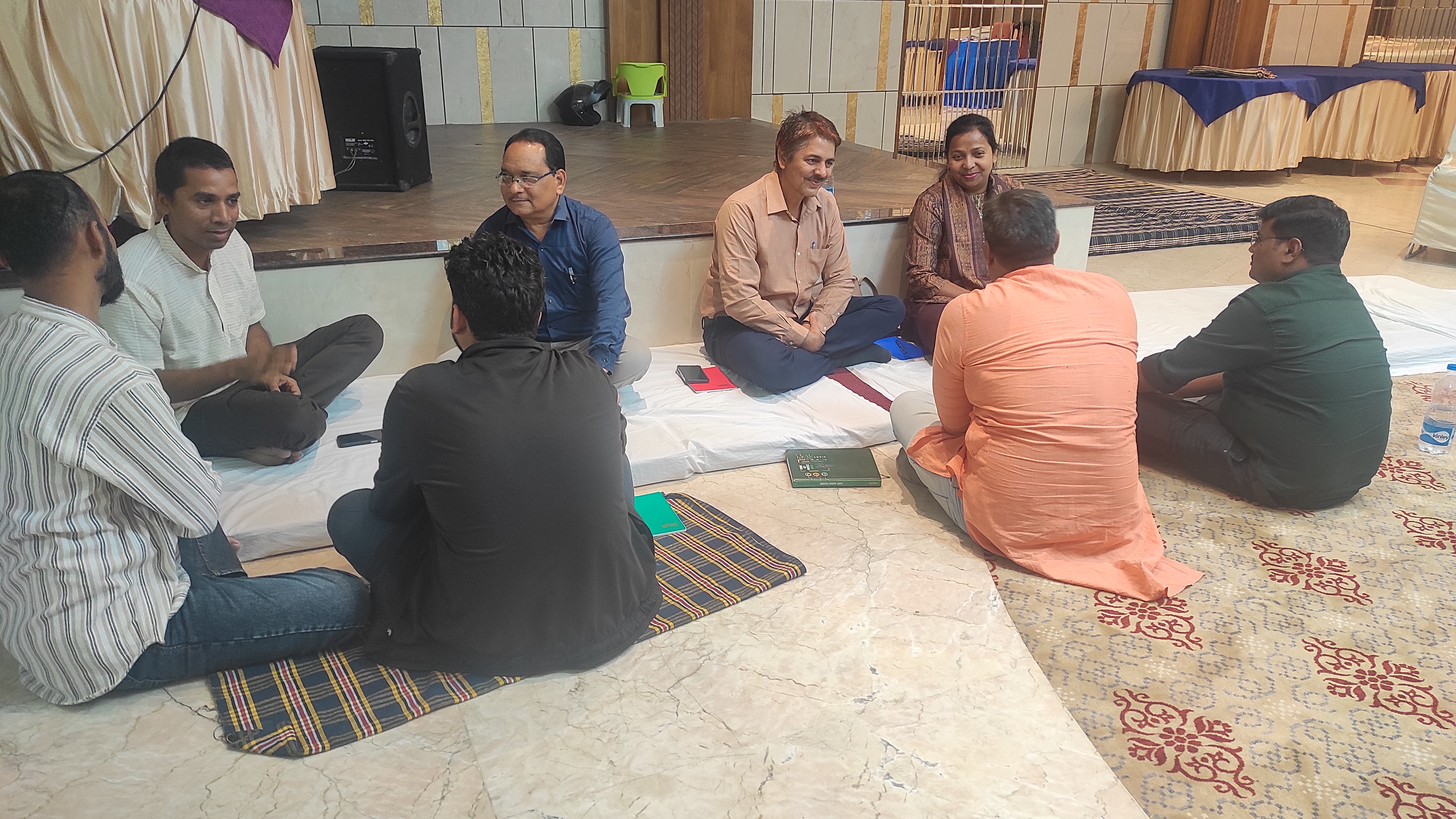
Thinking Strategically about Education
Improving education requires more than quick interventions – it demands strategic thinking. Effective reform rests on a clear theory of change, understanding of context, coalition-building, thoughtful implementation and long-term assessment. Without such discipline, initiatives fade quickly. With it…
Read Essay →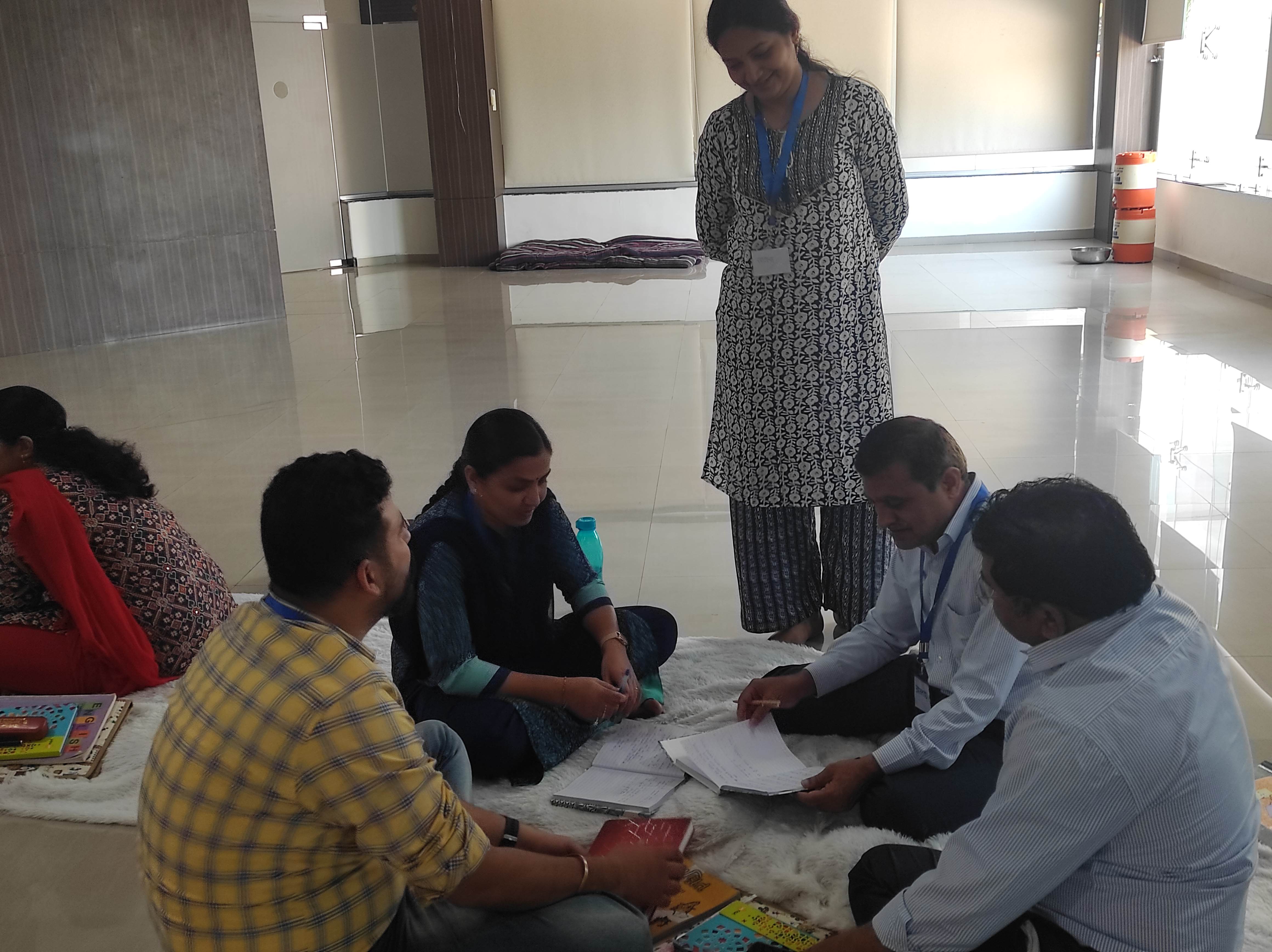
Organisational Resilience in Public Systems
Public systems operate amid constant change and uncertainty, making resilience essential. Systems become resilient when they cultivate shared purpose, distributed leadership, open communication, learning-oriented use of data, institutional memory and strong community relationships. These capacities …
Read Essay →
Nurturing Individual Resilience – The Quiet Work of Organisations
Individual resilience grows from the ability to observe and hold life’s inner turbulence without being overwhelmed by it. Organisations play a crucial role by creating psychological safety, encouraging open dialogue and reflective leadership. In such environments, resilience becomes a shared capacit…
Read Essay →Learning
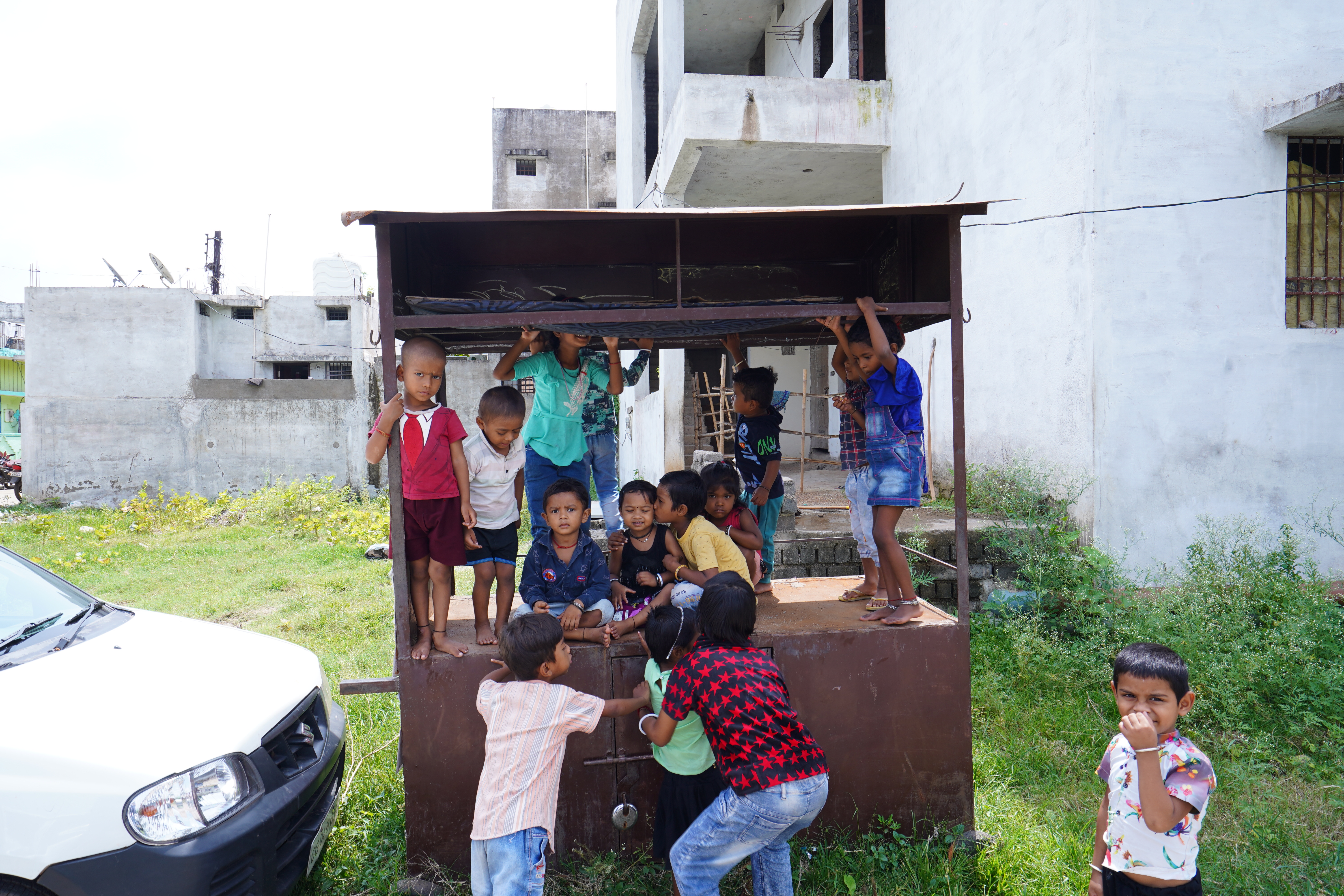
Early Childhood Education and the Future of Society
प्रारम्भिक बाल्यावस्था की शिक्षा और समाज का भविष्य
प्रारम्भिक बाल्यावस्था में मिलने वाले संवाद, खेल और अनुभव बच्चों में जिज्ञासा, आत्मविश्वास और सामाजिक कौशल की मजबूत नींव रखते हैं। यह केवल स्कूल की तैयारी नहीं, बल्कि संवेदनशील और जिम्मेदार नागरिकों के निर्माण की प्रक्रिया है—जो किसी भी समाज की दीर्घकालिक स्थिरता और समृद्धि के लिए आवश्यक है।…
Read Essay →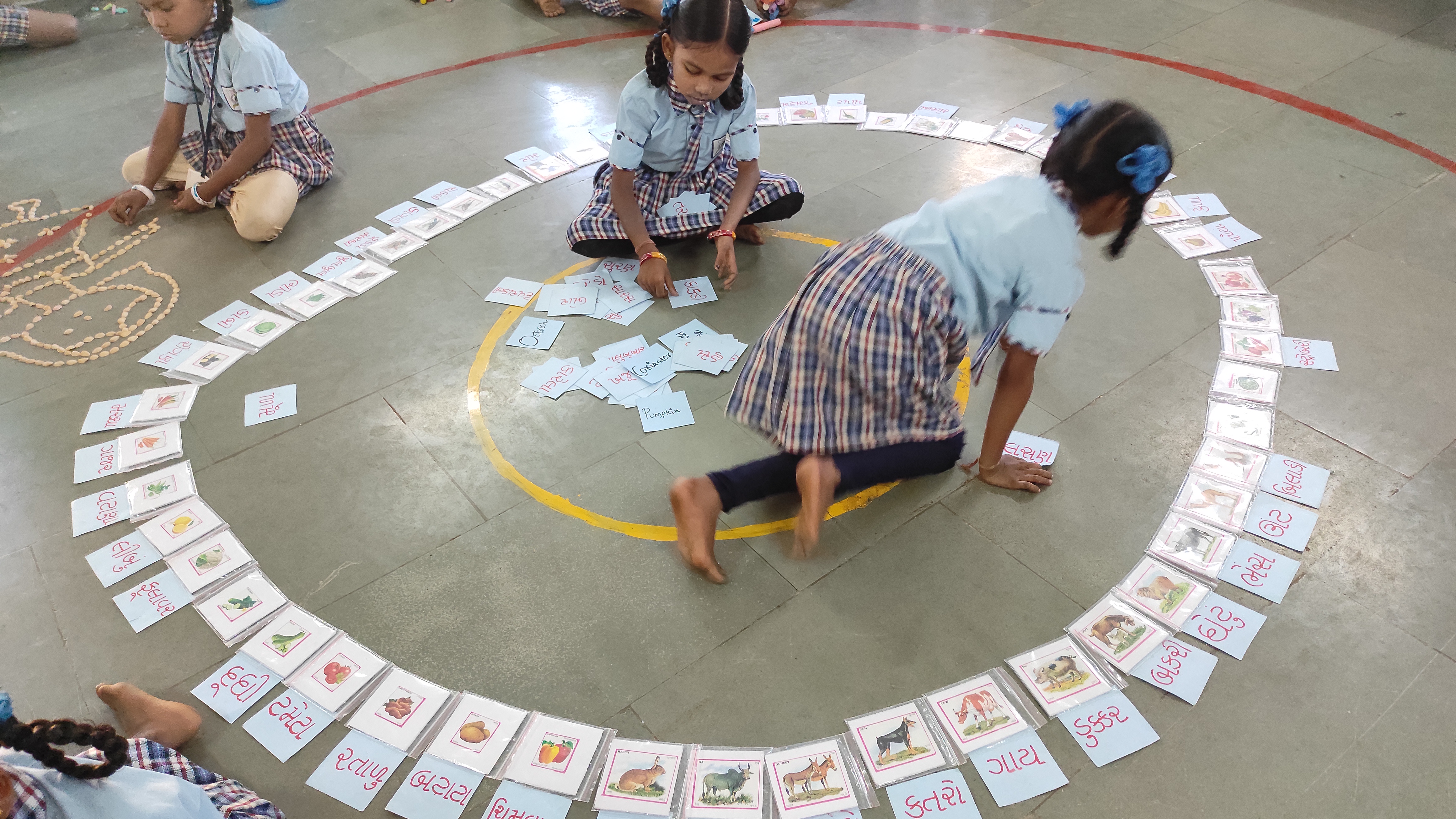
What Are Children Learning?
बच्चे क्या सीख रहे हैं
स्कूलों में पढ़ाई का बड़ा हिस्सा परीक्षा के लिए तैयारी और उसके बाद भूल जाने के चक्र में बदल गया है। जब शिक्षा केवल अंकों पर केंद्रित हो जाती है, तो समझ और अर्थपूर्ण सीख पीछे छूट जाती है। शिक्षा का उद्देश्य एसी समझ विकसित करना होना चाहिए जो जीवन भर काम आए।…
Read Essay →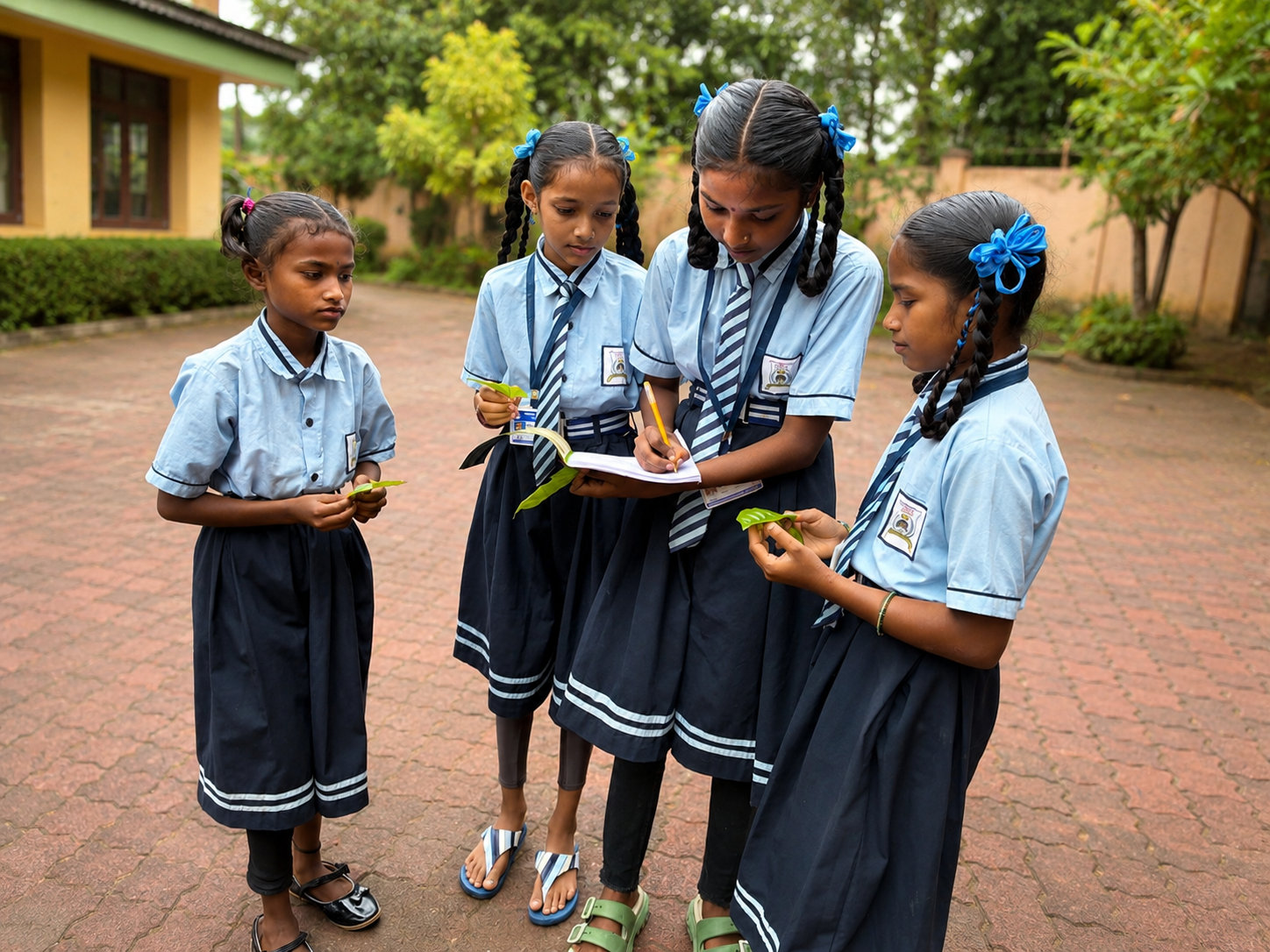
Science: Not Just Knowledge, But a Way of Thinking
विज्ञान: सिर्फ़ जानकारी नहीं, सोचने का एक तरीका
विज्ञान केवल तथ्यों और सूत्रों का संग्रह नहीं, बल्कि दुनिया को समझने का एक तरीका है। जब बच्जे सवाल पूछते हैं, ध्यान से निरीक्षण करते हैं और कारणों पर विचार करते हैं, तभी वैज्ञानिक सोच विकसित होती है। विज्ञान की शिक्षा का उद्देश्य जिज्ञासा, तर्क और प्रमाण के आधार पर सोचने की क्षमता विकसित करना होना च…
Read Essay →Communities
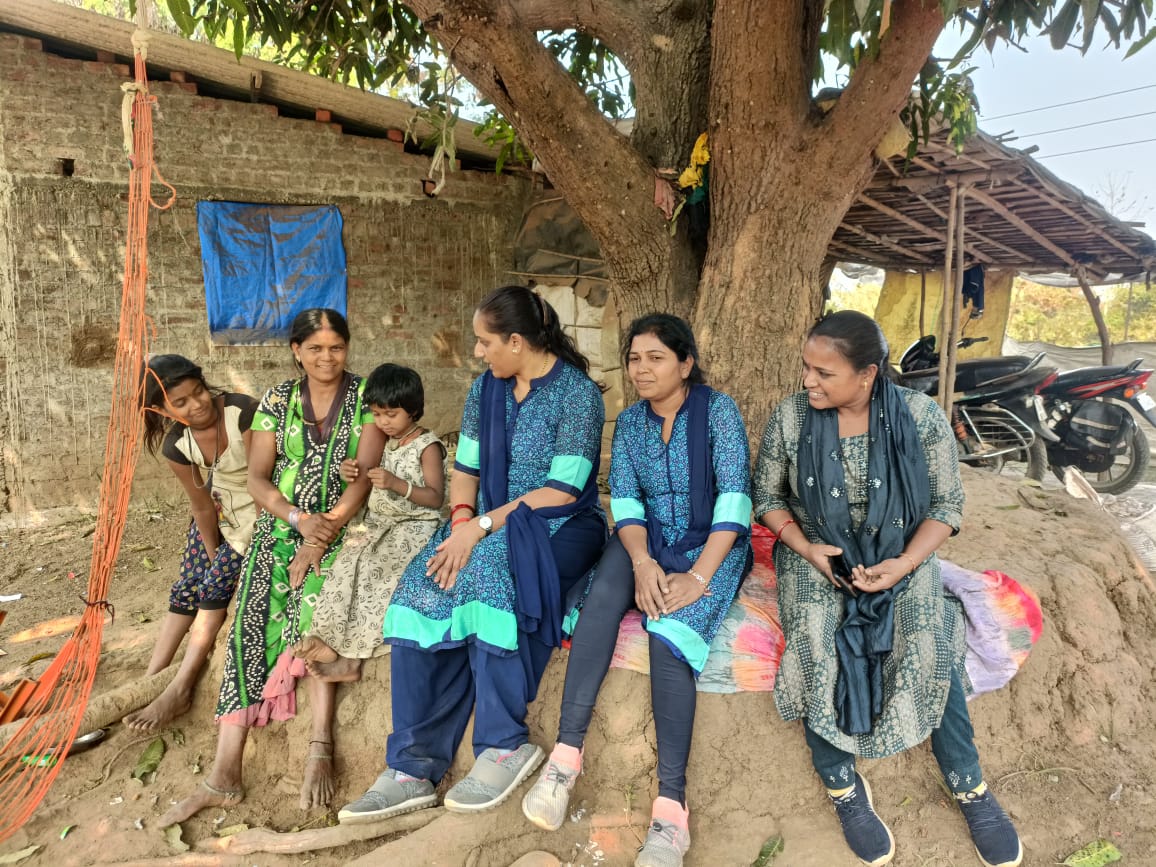
On Communities and Education
Meaningful change in education requires more than improving schools—it requires engaging communities. Parents often trust official systems even when learning feels irrelevant to their children's lives. Building shared understanding about what good education should offer demands patient dialogue, emp…
Read Essay →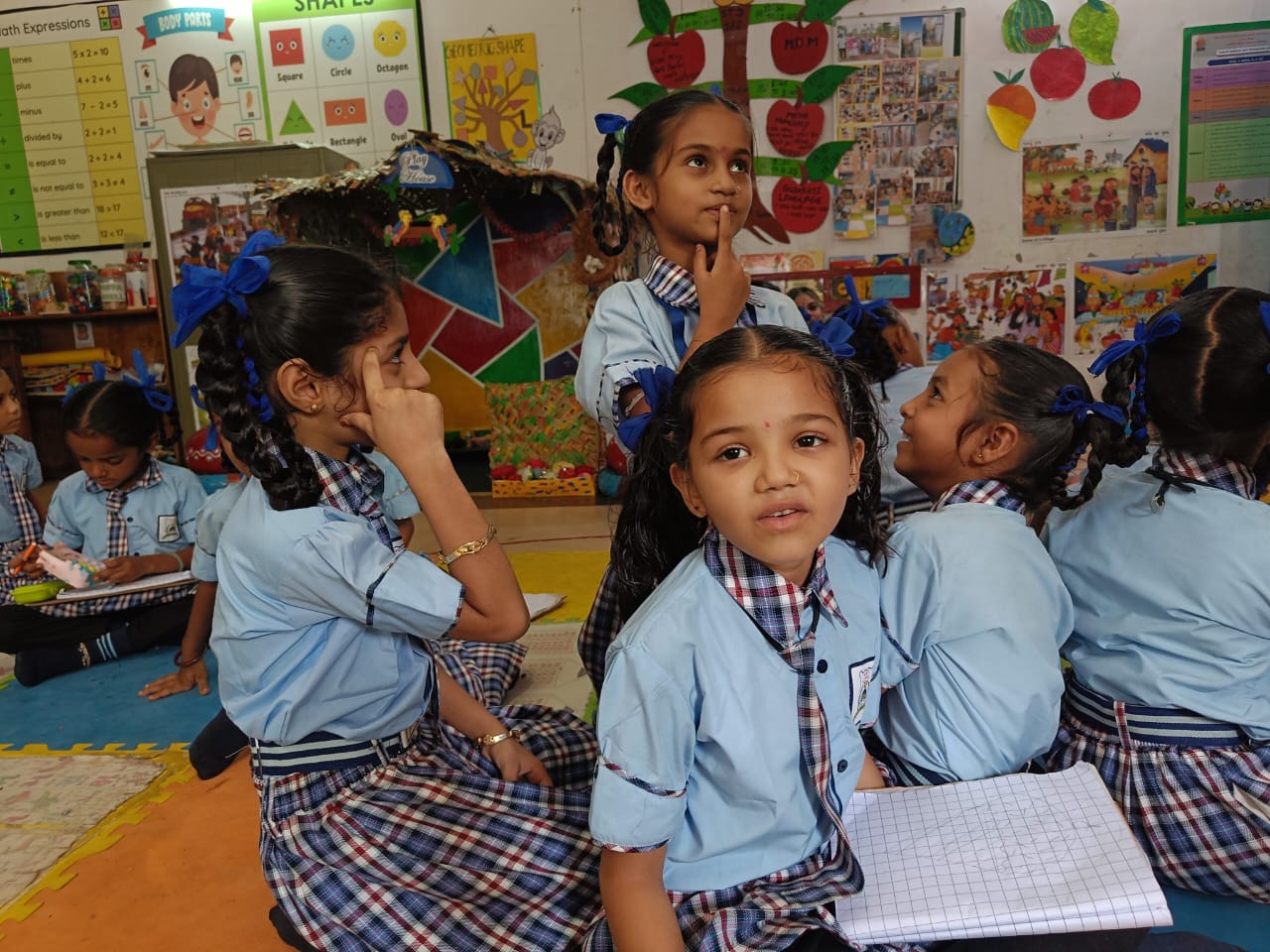
On the Common Thread between School and Pre-school Education
Learning at every age—from pre-school to university—is fundamentally about making meaning. The artificial divide between "informal" pre-school and "formal" school education obscures this shared purpose. Instead of allowing pre-school to imitate flawed schooling, we must rethink school education itse…
Read Essay →