Where It Lives
Public education systems determine our destiny as a nation. We work within them.
Our Context
Across India, millions of children are enrolled in early childhood programmes, preschools and schools run by government institutions. These systems reach communities in villages, towns and cities across the country and play a central role in shaping the environments in which children grow.
These systems cater primarily to those parts of our citizenry whose voices are often not heard in the affairs of our nation. When their children experience meaning-making education, they grow up more ready to be fully effective citizens.
For this reason, we collaborate with departments of education and child development at various levels, from state to the front lines. Our work reaches their leaders — administrators, supervisors, teachers and frontline workers — whose daily work shapes children's experiences.
Our Programmes
Leadership for Nurturing Care, Chhattisgarh
परिपोषक पालन के मार्गदर्शक, छत्तीसगढ़
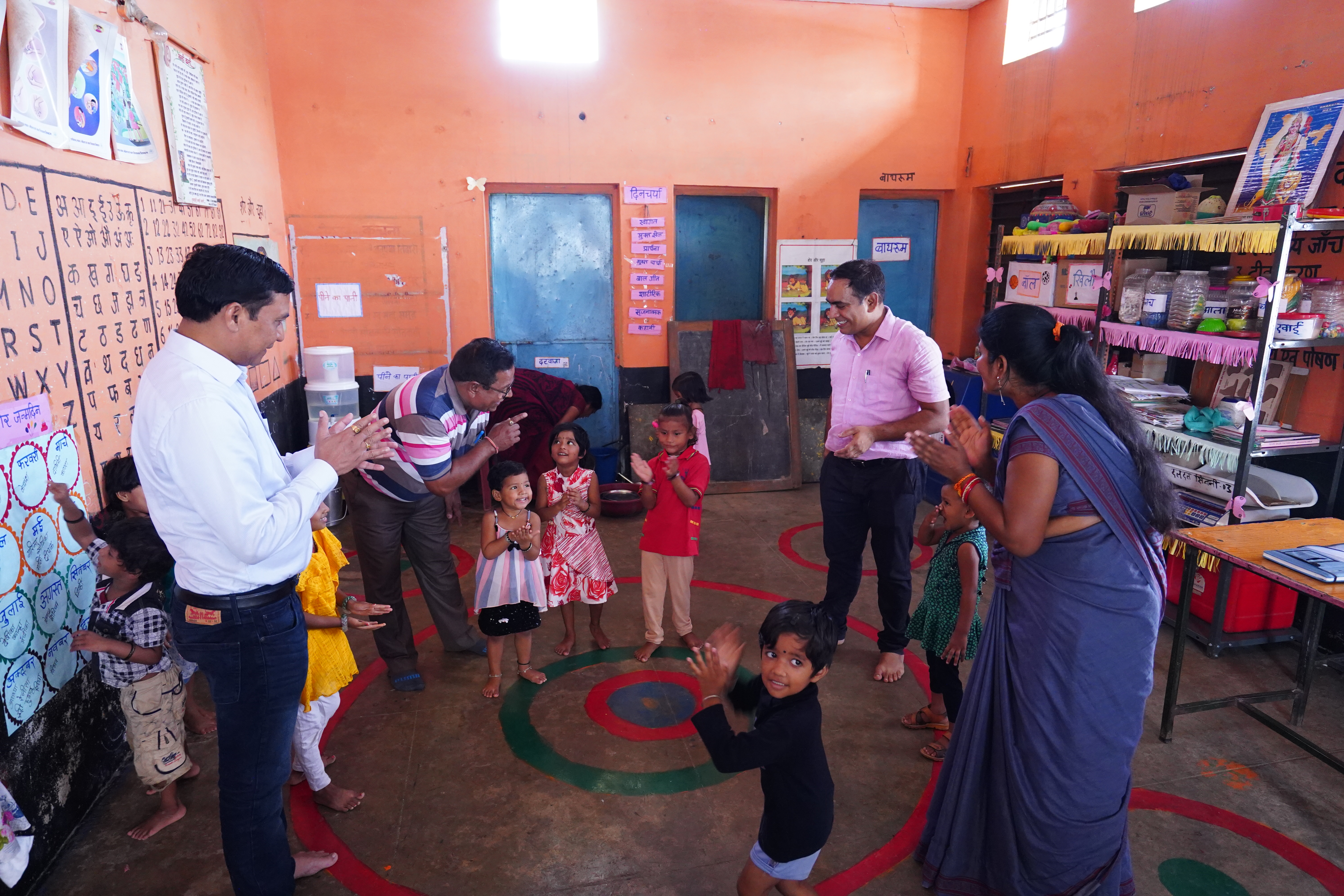
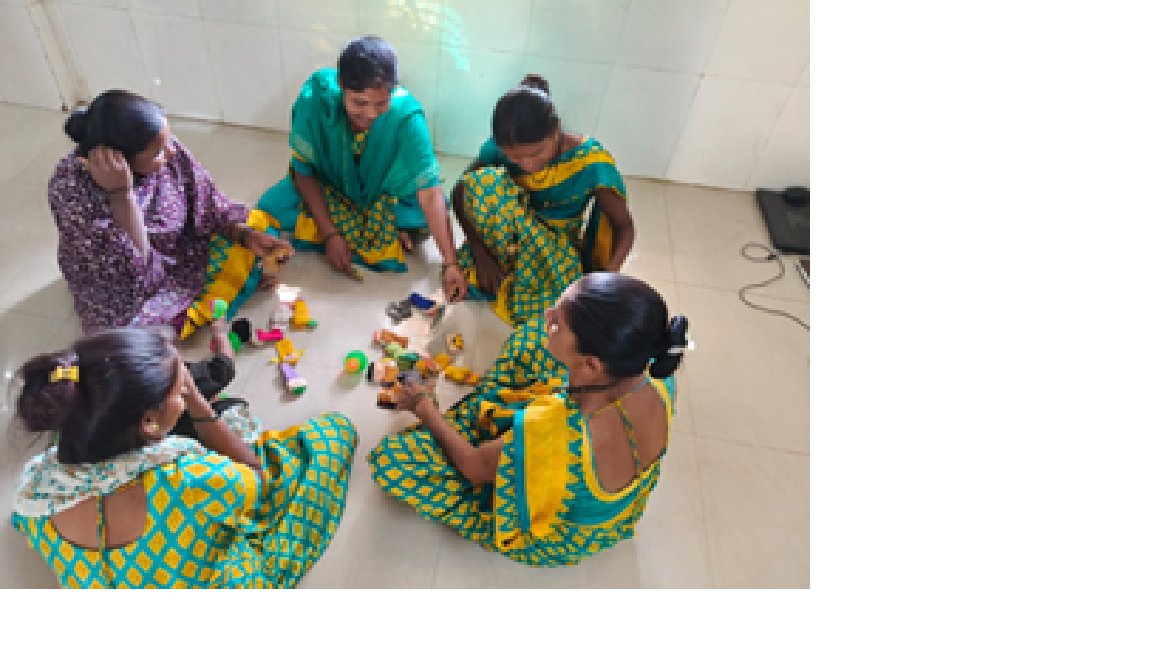
This programme is the outcome of more than a decade of our engagement with the state’s Department of Women and Child Development which started in 2015 with a five-district programme and expanded to a 20-district programme in 2022. The goal of this programme is to help the entire ICDS hierarchy, from the district heads to block heads, to sector heads to front-line anganwadi workers and helpers, learn the ways in which young children learn most effectively. These include
- creating a safe environment for the children to engage creatively in learning processes across all developmental domains,
- encouraging exploration and free play to help develop curiosity, inquiry and teamwork,
- creating opportunities for children to develop language and numeracy skills which can be used in their day-to-day living.
This programme has resulted in significant changes in the attitudes of the ICDS staff, the quality of the learning environment in anganwadis, and the developmental proficiencies of the children. Discussions with the state government for extending the programme to the entire state are progressing.
Leadership for Nurturing Care, DNHDD
परिपोषक पालन के मार्गदर्शक, DNHDD
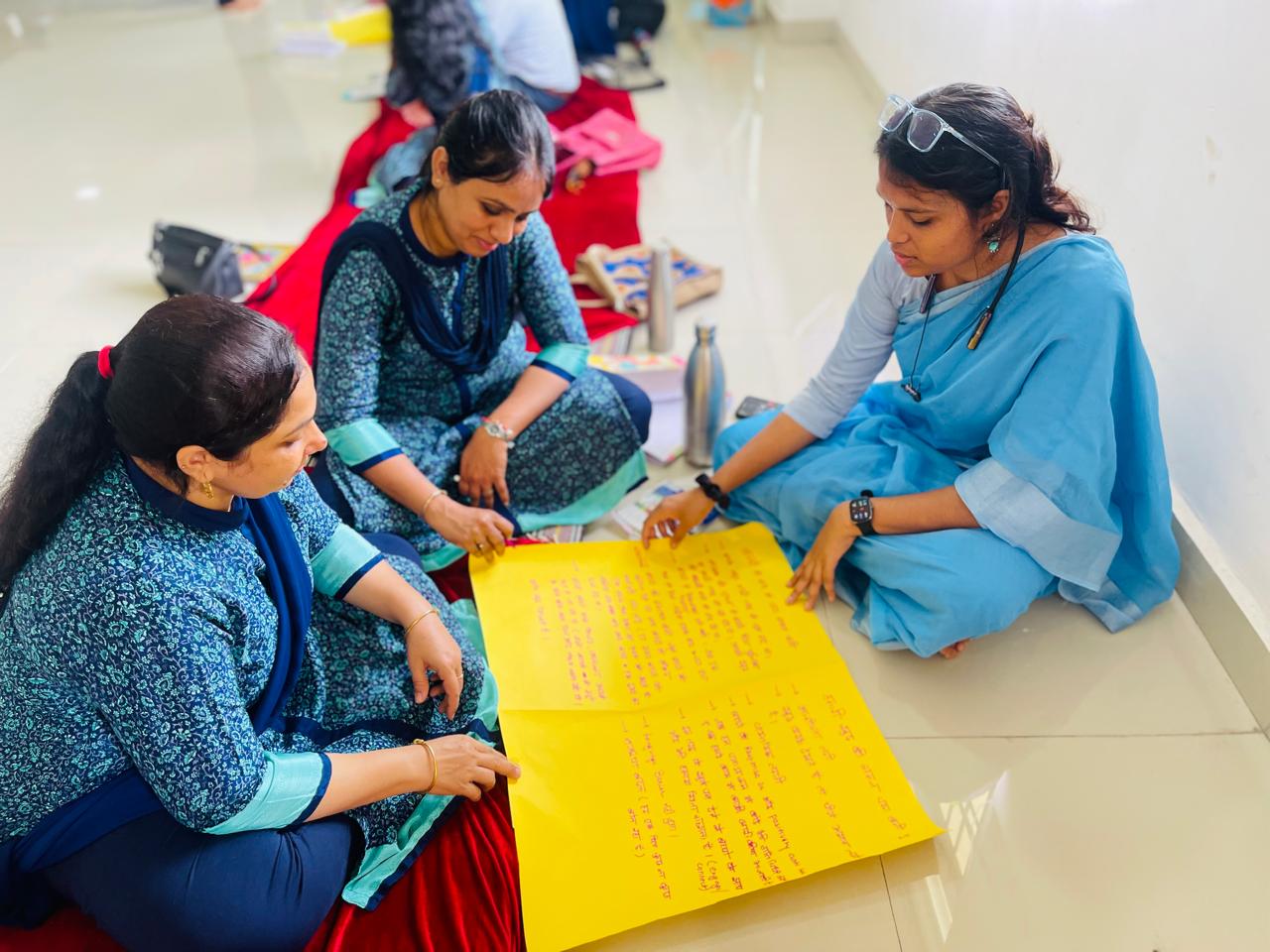
In recognition of the importance of Foundational Stage learning, the leadership of the education department in the UT of Dadra & Nagar Haveli and Daman & Diu created what is probably the first cadre of dedicated leaders for fostering Foundational Stage education in the country. A group of nearly 25 “Margdarshaks” learn with FCLL experts and then help teachers of pre-school and grades 1 and 2 learn the ways in which young children learn most effectively. These include
- creating a safe environment for the children to engage creatively in learning processes across all developmental domains,
- encouraging exploration and free play to help develop curiosity, inquiry and teamwork,
- creating opportunities for children to develop language and numeracy skills which can be used in their day-to-day living.
This has resulted in a harmonious and coherent progression from pre-school to the younger school grades and has created a vibrant as well as a deeper learning atmosphere in the schools.
Leadership for Learning with Meaning, DNHDD
अर्थपूर्ण शिक्षण के मार्गदर्शक, DNHDD
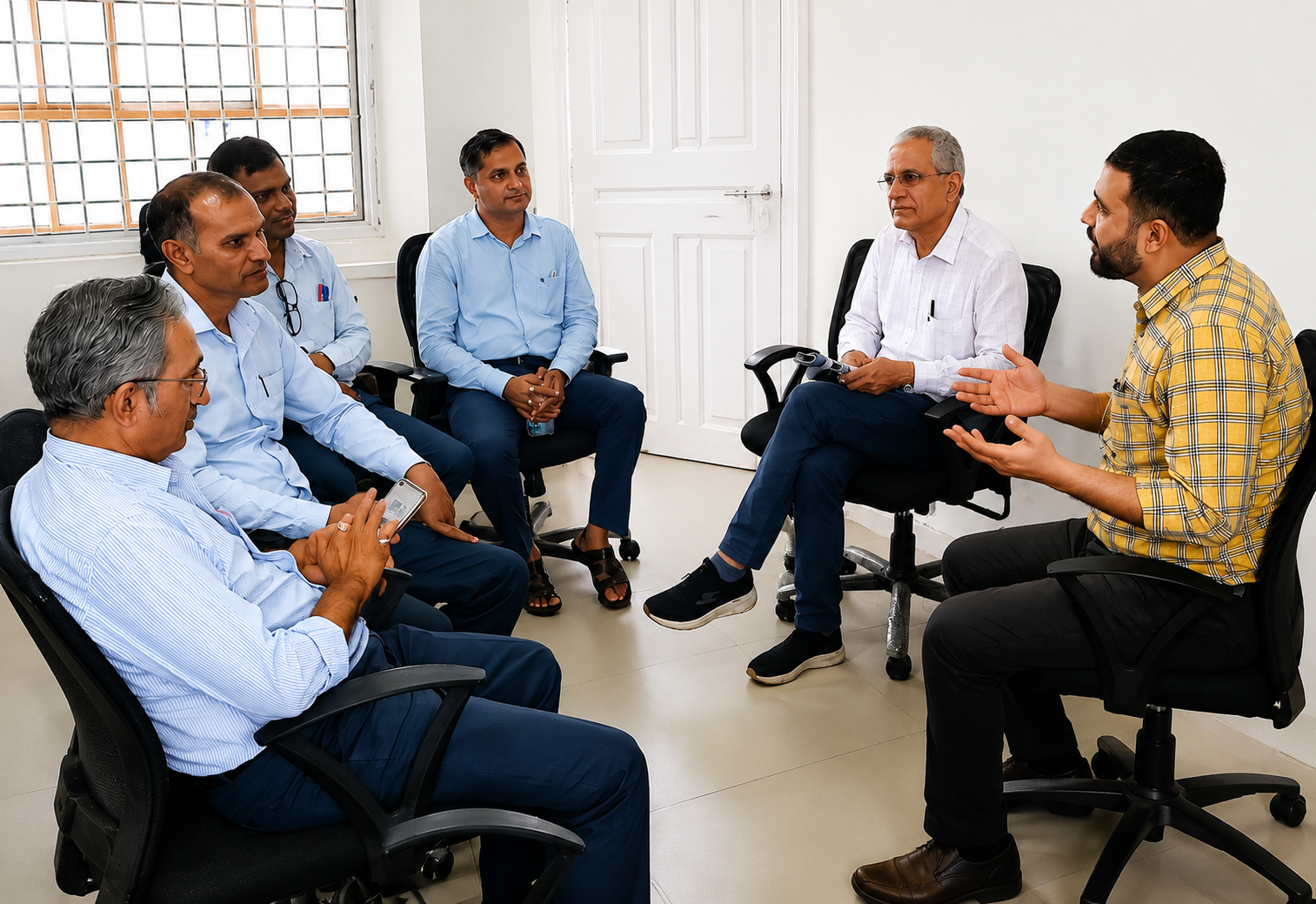
This programme seeks to help teachers and other education leaders in the public education system of DNHDD learn how to offer children the classroom opportunities to make real sense of what they learn in the classroom. They do this by helping children connect what they learn to their actual experiences, their home and community environment and their own relationships. The approach emphasizes
- dialogue in the classroom,
- the engagement of children’s heads, hearts and hands with the learning process, and
- the creation of safe learning environments in which inquiry can flourish.
The key outcome is to enable children to feel that they are the architects of their own learning, with teachers actively facilitating the development of this agency.
A set of dedicated Margdarshaks learn with FCLL experts and then help engage teachers in similar learning. The programme has already resulted in a dramatic expansion of children’s engagement with classroom learning processes.
The Wise Advisor, DNHDD