What We Do
We work with the public systems that shape the environments in which children grow — anganwadis, schools and communities.
Deepening Children's Learning
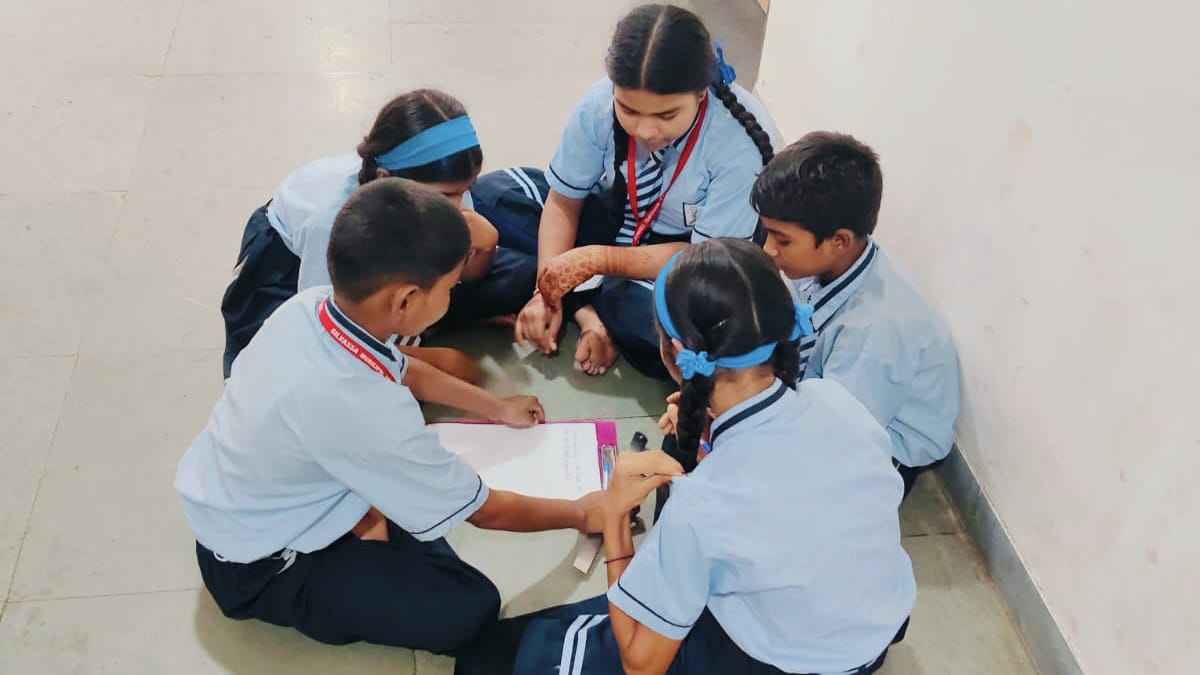
Children learn best when learning engages the whole child — their curiosity, their emotions, and their capacity to act in the world. Our programmes for the Foundational and Middle stages, aligned with the National Education Policy 2020, are designed to nurture children's hands, heads and hearts through meaningful and age-appropriate learning experiences.
In our classrooms and learning spaces, children participate in activities that invite them to observe, question, discuss and create. They work with materials, explore ideas through experiments and conversations, and gradually develop the habit of thinking for themselves. The learning environment is intentionally designed to feel safe, affectionate and encouraging, so that children feel comfortable expressing their thoughts, asking questions and learning from one another.
A key aspect of this approach is helping children connect their learning with the world around them. Ideas introduced in the classroom are related to experiences from home, the neighbourhood and the wider society. When children see how their learning relates to everyday life, it acquires personal meaning and becomes easier to understand and remember.
Much of the work happens in small groups, where children learn to listen carefully, share perspectives and work together to solve problems. These experiences strengthen their ability to collaborate, build relationships and respect different viewpoints.
Over time, such experiences deepen children's understanding and strengthen their confidence as learners. By nurturing children's hands, heads and hearts together, education becomes a foundation for thoughtful participation in society — preparing young people for productive work, meaningful relationships and creative contributions to the communities they will help shape.
Strengthening State Capacity for Implementation
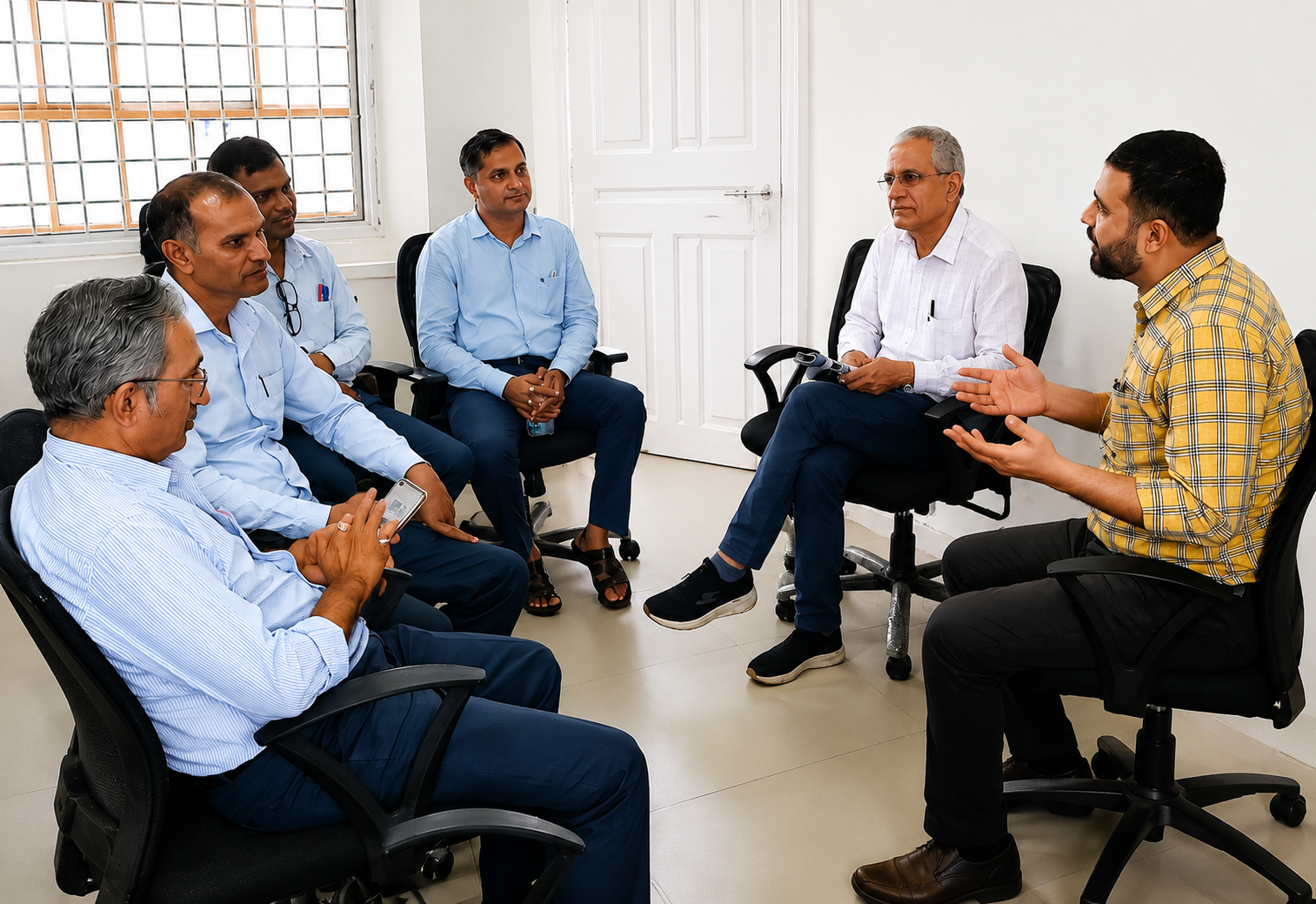
Education policy achieves its purpose only when it is translated into meaningful practice in classrooms and communities. Our programmes focus on strengthening the capacity of decision-makers within state education systems — particularly those working at the district and sub-district levels — to become effective leaders in children's learning.
Many officials in public systems have traditionally been expected to perform administrative and supervisory functions. While these responsibilities remain important, the demands of educational change call for something more: the ability to act as transformational leaders who guide and support the improvement of learning processes across the system.
Through our programmes, state officials develop a deeper understanding of what children need to learn and why meaningful learning matters. They explore how educational policy, including the vision articulated in the National Education Policy 2020, can be translated into everyday practices in schools and early childhood centres.
An important dimension of this work is strengthening the ability of leaders to motivate and support their teams. Officials learn how to encourage collaboration, communicate a shared vision and engage parents and communities in the educational journey of children.
By nurturing leadership, clarity and commitment within the system, our programmes help build long-term institutional capacity — ensuring that improvements in children's learning are not temporary initiatives, but enduring features of a resilient and responsive education system.
Building Technologies for Scaling
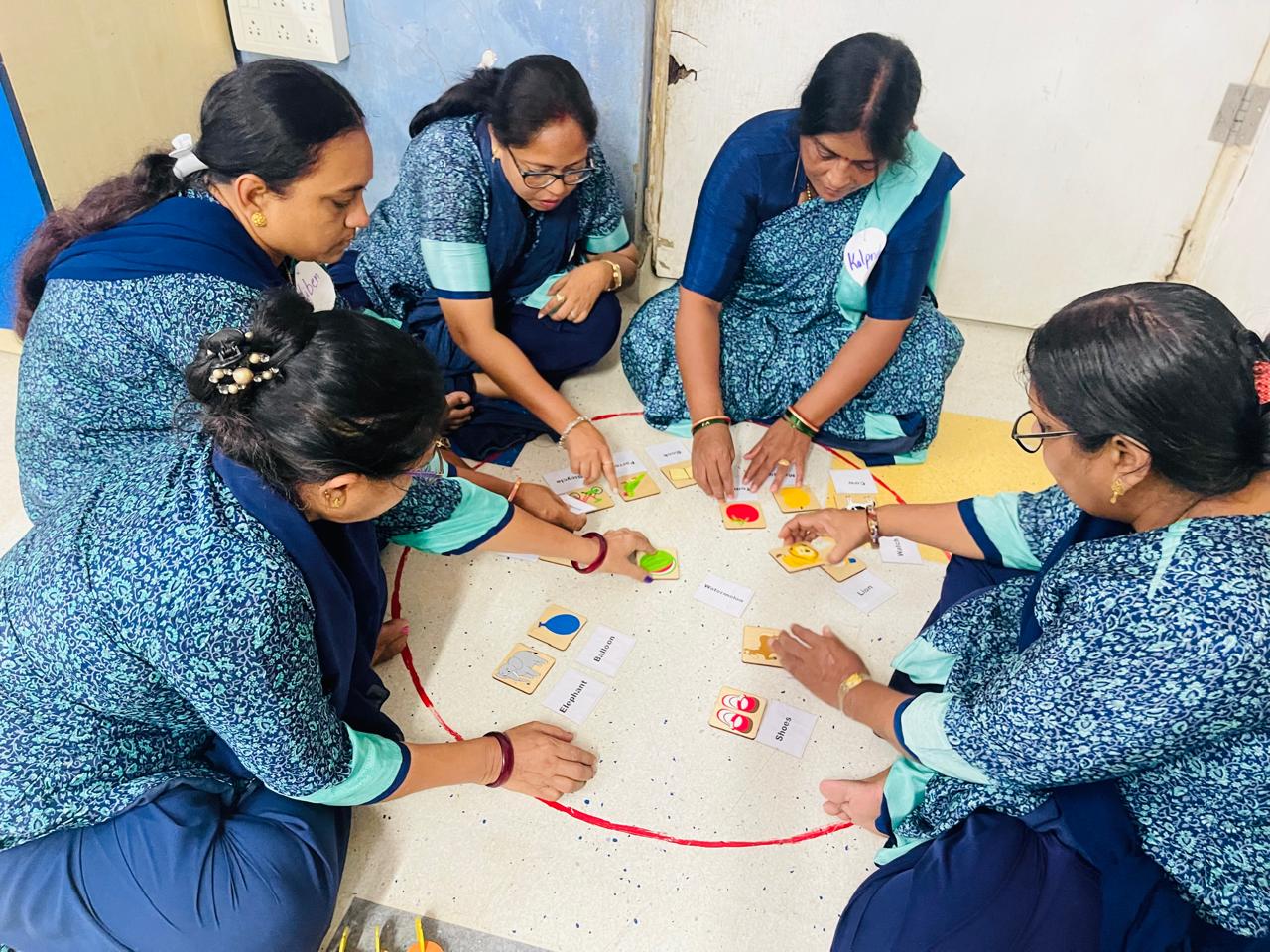
Transforming learning for large numbers of children requires more than strong ideas — it requires systems that can grow, adapt and sustain change at scale. Recognising this challenge, we have developed a set of implementation and capacity-building processes designed specifically to help public systems expand meaningful practices across large and complex organisations.
At the heart of these processes is the belief that people learn most effectively when they experience new ideas directly and reflect on their meaning in their own work. Our programmes therefore engage public functionaries — teachers, supervisors and administrators — in experiential and reflective learning processes.
A distinctive feature of these scaling technologies is that participants are supported to become facilitators of learning for others. Officials learn the processes themselves and then guide colleagues through similar experiences. This enables learning to spread organically across different levels of the system.
As these processes unfold, they foster greater understanding, communication and collaboration across hierarchical levels. Public functionaries at different levels begin to see themselves as contributors to a shared mission rather than as isolated administrative units.
Importantly, these technologies are adaptable to different scales. In some contexts, they have supported programmes reaching tens of thousands of early childhood and school centres. In others, they have been used to strengthen practice in individual schools or childcare centres where more intensive, locally responsive processes are possible.